
Suggested URL slug: hosted-pbx-pricing-canada-hidden-fees
Meta description: Real-world Hosted PBX costs and the hidden fees that push bills higher in Canada. Seat ranges, one-time items, taxes, 9‑1‑1 and privacy traps, plus a 30‑day cutover checklist.
Last reviewed: September 30, 2025
Hook: You budget $25 per seat and sign a contract—then the invoice arrives with PST, number-port fees, an e911 surcharge, and a one-time SBC setup charge. Ten minutes of reading the contract later, you realize the advertised price was only the start.
TL;DR: Hosted PBX seat fees in Canada commonly run in broad bands—think low‑cost softphone plans (illustrative) around CA$10–25/month, mid‑range user seats CA$25–45/month, and feature/CC‑grade seats CA$45–90/month. Expect one‑time costs (handsets, SIP trunks, SBC or gateway setup) and recurring add‑ons (911/e911 handling, carrier trunking, per‑minute long‑distance, taxes, and PST/HST/GST). Privacy and emergency‑call rules (PIPEDA, provincial health rules, NG911) create compliance steps that often carry extra cost. Read the contract line items, demand an invoice sample, and run a 30‑day pilot before full cutover.
| Buyer situation | Typical monthly seat range (illustrative) | Common one‑time items | Hidden fees to check |
|---|---|---|---|
| Remote / softphone heavy (single site) | CA$10–25 | Phone licenses, porting fee, handset optional | 911 handling fee, per‑minute LD, GST/HST |
| Office + desk phones (SMB) | CA$25–45 | Handsets CA$60–300 each, SBC setup, cabling | SBC rental, carrier trunking, PST (where applicable) |
| Contact centre / advanced features | CA$45–90+ | CC licenses, integrations, professional services | Recording storage, compliance redaction, extra ports |
Method note: the ranges above are illustrative and reflect the typical market bands an independent Canadian systems integrator sees when comparing provider flyers, reseller plans, and project quotes across Alberta and British Columbia. Use these as a starting point, then ask vendors for an itemized example invoice for your exact seat mix and locations.
What problem are we solving?
Buyers want predictable monthly OPEX and a painless cutover. Most surprises on Hosted PBX projects come from: (1) inconsistent definitions of what a “seat” includes, (2) carrier or regulatory line items that appear separately, and (3) migration tasks that create one‑time bills. Our goal is to make the common traps visible so you can compare offers apples‑to‑apples for your Canadian sites.
How Hosted PBX pricing is structured (and what each line means)
Vendors usually split bills into four groups: user or seat fees, carrier/trunking fees, one‑time implementation costs, and taxes/regulated charges. Know what each group contains so you can audit a quote.
User (seat) fees: This is what most vendors advertise. It may or may not include voicemail, softphone, basic auto attendant, or call recording. Some vendors lock advanced features (contact centre, analytics, CRM integration) behind higher license tiers.
Carrier and trunking fees: PSTN access, DID (direct inward dial) numbers, per‑call or per‑minute long distance, and SIP trunk monthly charges are often billed separately from the seat charge. If a provider resells carrier trunks, expect a pass‑through trunking line item or a blended trunk fee.
One‑time implementation costs: Provisioning, number porting, SBC or session border controller configuration, handset purchase or lease, cabling and VLAN setup, and any custom dial plan or CRM integration. Some vendors waive a portion of professional services for larger deals—get that in writing.
Taxes and regulated charges: Telecom services are telecommunication supplies for GST/HST purposes in Canada. Expect GST or HST and, in many provinces, PST (or QST in Quebec) on telecom supplies. Also expect 9‑1‑1 handling, regulatory or municipal surcharges that show up as separate line items. For government guidance on telecommunication tax and place of supply rules, see the Canada Revenue Agency. Definitions for GST/HST.
Claim support: GST/HST rules for telecommunications are governed by CRA guidance. See CRA: Telecommunication services.
Our point of view — what to trade off and when
Our POV as an independent integrator: buy the SLA and operational visibility you need, not every feature you don’t. Pick the seat tier that covers the workflows you use today, then add integrations as measured projects.
If reliability is more important than seat price, plan to pay a bit more for:
- Local SBC/hybrid survivability (to keep numbers working during ISP outages).
- Carrier diversity or managed failover (dual‑ISP or LTE backup).
- Proactive monitoring and a named support contact for escalation.
If cost is the top constraint, accept that you will trade off single‑site resiliency and some advanced features. You can often mitigate risk by adding a small survivability device or an outbound trunk failover rule instead of paying for the highest feature tier for all seats.
Assumes a mid‑market Canadian SMB with basic compliance needs. For healthcare, legal, or finance, see the compliance notes below.
A simple decision matrix (one small diagram you can quote)
Matrix (textual):
- Small single site, good WAN: low‑cost hosted seat, softphone heavy, CA$10–25/month per seat (illustrative).
- Multi‑site, moderate WAN: mid tier seats + SIP trunks + SBC, CA$25–45/month per seat (illustrative) + trunking.
- Contact centre or regulated: advanced seats + recording retention + dedicated trunks, CA$45–90+/month per seat (illustrative) + storage fees.
Hidden fees and traps — the items that bump your bill
Be blunt with vendors and ask them to show these line items on a sample invoice for your actual seat mix. Common hidden fees are:
- 911 / e911 handling fees: Providers must meet CRTC obligations for 9‑1‑1 and often charge for address validation, provisioning to ALI/PSAP databases, or per‑location setup. See CRTC guidance on VoIP 9‑1‑1 obligations. 9‑1‑1 obligations for local VoIP service providers.
- Number porting fees: One‑time fees to move DIDs from one provider to another. They vary by carrier and complexity (simple local ports are faster; multi‑carrier or legacy ranges add time and cost).
- Carrier trunking and per‑minute charges: Some providers include unlimited Canada/US calling; others bill long distance or international minutes separately.
- SBC rental or management: Session Border Controller appliances or hosted SBC services for security and interconnect are often extra.
- Recording storage and compliance: If you record calls, storage and redaction tools for PCI/PHI are typically charged by GB or per user.
- Taxes and municipal/regulatory surcharges: GST/HST plus provincial PST or QST and occasional municipal levies.
- Early termination or device lease buyouts: Watch for portable device leases or auto‑renewed support contracts.
- Support tiers: Basic support windows are cheaper; 24×7/priority support costs more.
Compliance items that add cost in Canada
Privacy and emergency services create required steps that often carry cost:
- Call recording consent and retention: Under PIPEDA, recording customer calls requires informing the caller, stating purpose, and ensuring appropriate retention and access controls. The Office of the Privacy Commissioner has clear guidance on recording customer telephone calls; make sure your vendor can store recordings in Canada and support access and deletion controls. Recording of Customer Telephone Calls (Office of the Privacy Commissioner).
- Provincial health privacy (PHIPA, etc.): Clinics and health providers must satisfy provincial health privacy rules (for example, PHIPA in Ontario). Recording or storing personal health information may require additional encryption, access controls, or on‑prem storage and will change cost. (Consult your provincial privacy regulator.)
- NG911 transition: Providers and PSAPs are moving to Next‑Generation 9‑1‑1—this causes timing and technical requirements for location provisioning that can mean additional integration or address‑validation fees. See CRTC NG911 materials and transition notices. 9‑1‑1 services in Canada (CRTC). Note: NG911 rollout schedules were updated in 2025; some regional PSAPs have extended timelines and may require interim solutions.
Practical walkthrough for a typical buyer (persona: IT manager for a 30‑seat office, Alberta)
1) Collect the current phone bill and list of devices and numbers. We look for unused lines, PRI remnant fees, and bundled internet vs telephony charges.
2) Ask each vendor for a sample invoice for 30 seats that shows exactly: seat fees by tier, trunking, number porting, SBC fees, taxes, and one‑time setup. If they refuse, flag them.
3) Run a 30‑day pilot with 5–10 seats covering all locations and workflows: front desk, POS, paging. Include MOS tests and jitter/loss monitoring. Success criteria: MOS ≥4.0 on test calls, <1% packet loss on voice VLAN during busy hours, and porting completed within quoted window.
4) Negotiate rollback terms: keep the old trunks active for at least 48 hours after cutover, and set a clear maintenance window with phone numbers to test. Use the brand cutover checklist: back up dial plan, verify failover paths, and publish test numbers.
Hidden fees checklist — ask vendors for these line items
- Sample invoice: show the first three months’ bills including taxes and surcharges.
- Number port fees and porting timeline guarantee.
- Per‑minute long distance and international rates by destination.
- 911/e911 provisioning fees and responsibilities for address accuracy.
- Recording storage costs and where data is stored (Canada? Which region?).
- SBC or gateway setup and ongoing management fees.
- Support SLA levels and whether remote hands or on‑site are extra.
- Device replacement / lease terms and warranty coverage.
Objections and common vendor replies — and what we recommend
“Your competitor includes everything in the seat price.” That’s plausible. Ask for a full invoice. Often “all‑in” seats are fine for small, single‑site deployments but become costly at scale when trunking, recording, or compliance add-ons are needed.
“We don’t charge PST in your province.” Wrong—tax rules vary by province and by the characterization of the supply. Confirm with a sample invoice and, if needed, consult CRA guidance on telecommunication supplies. CRA telecommunication rules.
“9‑1‑1 is included.” Ask how they provision ALI/ANI, who updates location data if you move devices, and whether they charge per location or per seat. CRTC rules require notification of limitations and customer notifications for nomadic services. CRTC VoIP 9‑1‑1 obligations.
How our company solves this (short brand bridge)
Outcome: predictable, itemized PSTN and Hosted PBX costs for multi‑site Canadian teams. How we do it: we produce a side‑by‑side invoice sample, map carrier and compliance costs by province, and run a 30‑day pilot with MOS and failover tests. CTA: If you want a clean estimate with all fees visible, tell us your headcount and preferred phones and we will run the math.
Key takeaways
- Advertised seat price is rarely the full story—always ask for a sample invoice that includes trunking, porting, SBC, and taxes.
- Regulatory and privacy requirements in Canada (PIPEDA, provincial rules, NG911) can add both features and cost—confirm responsibilities in writing. OPC guidance on call recordings.
- Plan for one‑time migration costs (handsets, cabling, SBC) and negotiate them separately from recurring OPEX.
- Run a 30‑day pilot with clearly measurable MOS and packet metrics before full roll‑out.
- If you operate in regulated sectors (health, finance), ask about on‑shore storage and PHIPA/PHI workflows early—these change architecture and cost.
FAQ
Q: Will switching to Hosted PBX save money?
A: Often yes on total cost of ownership over 36 months, thanks to lower hardware CAPEX and consolidated OPEX. But savings depend on seat mix, long‑distance needs, and compliance requirements. Ask for a 36‑month TCO comparison that shows trunking, taxes, and support.
Q: Who is responsible for correct 9‑1‑1 location data?
A: Both the service provider and the end customer share responsibilities. Providers must meet CRTC obligations and notify customers of limitations; customers must keep location data current. See CRTC VoIP 9‑1‑1 obligations for details. CRTC: 9‑1‑1 obligations.
Q: Can I keep my existing desk phones?
A: Frequently yes. Gateways, ATA adapters, or SIP‑enabled desk phones can bridge legacy devices. Factor in device configuration and any per‑device licensing the Hosted PBX vendor requires.
Q: Are call recordings covered by PIPEDA?
A: Yes—recording customer calls usually involves personal information and must meet PIPEDA requirements: you must inform callers of recording, state purpose, obtain consent, and protect and limit retention of recordings. See the OPC guidance. Recording of Customer Telephone Calls.
Sources
- 9‑1‑1 Obligations of Local VoIP Service Providers with respect to 9‑1‑1 (CRTC).
- 9‑1‑1 Services for Traditional Wireline, VoIP and Wireless Phone Services (CRTC).
- Recording of Customer Telephone Calls (Office of the Privacy Commissioner of Canada).
- Definitions for GST/HST (Canada Revenue Agency) and GST/HST and electronic commerce (CRA).
- Government overview on junk fees and telecom protections (Office of Consumer Affairs).
Image alt text suggestions:
- Comparison matrix showing three buyer situations and their typical monthly seat ranges in Canada.
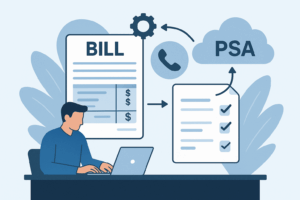
- Sample invoice mockup with line items: seat fees, trunking, SBC rental, porting, GST/HST, and 9‑1‑1 surcharge.
- 30‑day cutover checklist diagram with steps: backup config, pilot test, failover test, and roll‑forward date.
Bottom line: ask for a real invoice, test with a small pilot, and budget for compliance and trunking separately. If you want a clean, itemized estimate for your exact headcount and preferred phones in Alberta or BC, tell us the seat mix and we will build it.
“,